3D Rendered Birthday Cakes: A Creative and Realistic Way to Celebrate Special Occasions
Birthday celebrations are all about joy, creativity, and personal expression. One of the most iconic elements of any birthday party is the cake. Whether it's a simple sponge or an elaborate, multi-tiered masterpiece, the cake sets the tone for the event. In today’s digital age, 3D rendered birthday cakes have become a popular and innovative way to bring imagination to life without stepping into a kitchen. These virtual creations offer a unique blend of artistic design and technological precision, making them perfect for birthdays, weddings, anniversaries, and other special events.
What Are 3D Rendered Birthday Cakes?
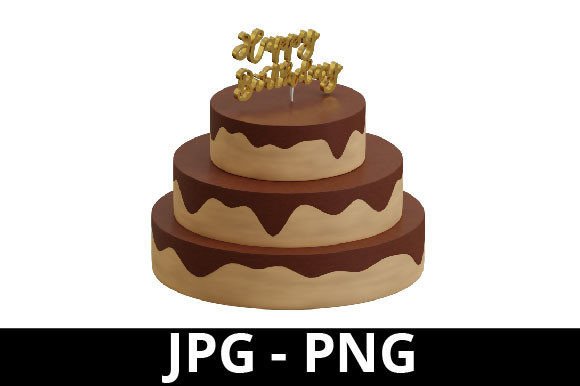
A 3D rendered birthday cake is a digitally created image that mimics the look and feel of a real cake. Using specialized software, designers build intricate models of cakes—complete with layers, frosting, decorations, and color schemes—and then render them in photorealistic detail. The result is a stunning visual representation that can be used for invitations, social media posts, promotional materials, or even as inspiration for bakers.
These cakes come in various styles, including:
- Realistic cakes with detailed textures like chocolate, cream, and icing
- Cartoon-style cakes for a playful and whimsical touch
- Minimalist cakes with clean lines and elegant designs
- Cute and colorful cakes ideal for children’s parties or Valentine’s Day
The Purpose and Significance of 3D Rendered Birthday Cakes
3D rendered cakes serve multiple purposes beyond just being visually appealing. They are a powerful tool for communication, especially in industries such as bakery, event planning, and graphic design. Here are some key reasons why they’re becoming so popular:
1. Visual Communication for Businesses
In the bakery industry, showcasing products through high-quality images is essential. However, photography can be time-consuming and expensive. 3D rendered birthday cakes allow businesses to create realistic images quickly and affordably. These visuals can be used on websites, brochures, and social media platforms to attract customers and convey the quality and style of their offerings.
2. Customization and Creativity
With 3D rendering, there are no limits to what you can imagine. Designers can experiment with different shapes, colors, and decorative elements before finalizing a concept. This makes it easier to create customized birthday cakes tailored to specific themes, such as a cartoon character for a child’s party or a romantic heart-shaped cake for Valentine’s Day.
3. Event Planning and Design
Event planners often use 3D rendered cakes during the design phase of a celebration. These images help clients visualize how the cake will fit into the overall theme of the event. For example, a wedding planner might present a 3D rendered cake with delicate floral accents to match the venue’s decor, giving couples a clear idea of what to expect on their big day.
How 3D Rendering Enhances Cake Design
Creating a 3D rendered birthday cake involves several steps, each contributing to its final appearance. Let’s explore the process:
- Design Concept: The designer starts by sketching out the cake idea based on client preferences or creative direction. This includes choosing the shape, flavor (like chocolate or vanilla), and decorative elements such as fondant flowers or edible gold leaf.
- Modeling: Using 3D modeling software, the cake is built layer by layer. Each component, from the base to the top-tier decorations, is carefully crafted to ensure accuracy and realism.
- Texturing and Coloring: Once the model is complete, textures are added to simulate the look of frosting, icing, or cream. Color choices are made to reflect the occasion—bright and cheerful for a child’s party, elegant and soft for a wedding.
- Lighting and Composition: Lighting plays a crucial role in creating a lifelike image. Designers adjust lighting angles and intensities to highlight the cake’s features and evoke a sense of deliciousness and happiness.
- Final Rendering: The final step is rendering the image in high resolution. The output is usually saved in formats like JPG or PNG, which are easy to share and edit.
This level of detail ensures that the 3D rendered cake looks almost identical to a real one. It's not just about aesthetics; these renders also help in understanding the scale, structure, and presentation of the actual cake when it comes time to bake it.
Why Choose 3D Rendered Cakes Over Traditional Methods?
While traditional cake photography has its place, 3D rendered cakes offer distinct advantages:
- No Baking Required: You can showcase your cake design without having to make it physically. This is especially useful for large-scale events where the cake may be too big to photograph until after baking.
- Consistency and Control: With 3D rendering, you can maintain consistent branding across all marketing materials. Every image will reflect the same high standards of quality and style.
- Cost-Effective: Producing physical samples or hiring a photographer for every new design can be costly. 3D rendering eliminates the need for these expenses while still delivering professional results.
- Fast Turnaround: Digital rendering allows for quick revisions and faster production times. If a client wants a last-minute change, the design can be updated in minutes rather than hours or days.
Applications of 3D Rendered Birthday Cakes
3D rendered cakes are incredibly versatile and find their place in various areas of modern life and business. Here are some common applications:
1. Bakery Websites and Social Media
Bakeries use 3D rendered cakes to display their menu items online. These images are often more eye-catching than photos and can be easily rotated or zoomed to give customers a better view. They’re perfect for Instagram posts, Facebook ads, or Google Business listings, helping to boost engagement and drive sales.
2. Party Planning and Invitations
When sending out birthday invitations, a 3D rendered cake illustration adds a personal and festive touch. It helps set expectations and gives guests an idea of what to look forward to at the celebration. Similarly, for surprise parties or anniversary events, showing off a beautifully designed cake in advance can generate excitement and anticipation.
3. Advertising and Promotional Materials
Marketing agencies and food brands often use 3D rendered cakes in advertisements. These cakes can appear alongside slogans like “Celebrate Sweet Moments” or “Taste the Joy,” reinforcing the message of celebration and indulgence. Because the images are editable, they can be adapted to fit different campaigns and audiences.
4. Education and Training
3D rendered cakes are also used in culinary schools and baker training programs. Students can study the structure and decoration techniques of a cake without needing to actually make it. This helps in learning about layering, piping, and color coordination in a safe and cost-effective environment.
Types of 3D Rendered Birthday Cakes and Their Uses
Depending on the occasion, 3D rendered cakes can be customized in many ways. Here are some popular types and their typical uses:
1. Decorative and Tasty Designs
These cakes are designed to look both beautiful and delicious. With realistic details like glossy frosting, crumb texture, and layered fillings, they appeal to anyone who loves desserts. Ideal for birthday parties, they can also be used in restaurants or cafes to promote seasonal treats.
2. Cartoon and Cute Styles
For younger audiences or family events, cartoon-style cakes are a hit. Think of cakes shaped like animals, superheroes, or beloved characters. These designs are not only fun but also encourage creativity in event planning and graphic design projects.
3. Minimalist and Modern Looks
Minimalist cakes are perfect for sophisticated events like weddings or anniversary celebrations. They focus on simplicity, elegance, and subtle details. These cakes often feature clean lines, monochromatic color schemes, and understated decorations, making them a favorite among design-conscious clients.
4. Romantic and Celebration Themes
Valentine’s Day or wedding-themed cakes often include heart motifs, floral patterns, and metallic accents. 3D rendering allows for intricate designs that would be difficult to achieve through photography alone. These cakes are commonly featured in promotional content to highlight the emotional value of the dessert.
Common Misconceptions About 3D Rendered Cakes
Despite their popularity, there are still some misunderstandings about 3D rendered cakes. Let’s clarify a few:
- They aren’t just for marketing: While businesses use 3D cakes for advertising, individuals can also enjoy them as part of creative projects, such as designing custom birthday cards or digital art.
- They don’t replace real baking: 3D rendering is a tool to enhance the baking experience—not a substitute. Many bakers use these images to guide their work and ensure consistency between the digital model and the final product.
- They require technical skills: While knowing how to use 3D software is helpful, many pre-made 3D cake models are available for download. These ZIP folders typically include ready-to-use JPG and PNG files, making it easy for anyone to incorporate them into their projects without prior experience.
Getting Started with 3D Rendered Birthday Cakes
If you're interested in using 3D rendered cakes for your next project, here’s how to get started:
- Define Your Theme: Decide on the style and purpose of your cake. Is it for a child’s birthday, a wedding, or a minimalist home celebration?
- Choose a Style: Pick between realistic, cartoon, cute, or minimalist designs. Consider the audience and the type of emotion you want to evoke.
- Download or Create Models: Look for downloadable 3D cake models online. These ZIP folders often contain multiple file formats (JPG, PNG) and variations of the design, allowing you to pick the best fit for your needs.
- Edit and Customize: Use photo editing tools to tweak colors, add text, or overlay logos. Some packages even include transparent backgrounds for greater flexibility in design.
- Share and Use: Incorporate your 3D rendered cake into social media posts, website banners, or printed invitations. Make sure to optimize the image size for each platform to ensure clarity and fast loading times.
Conclusion
3D rendered birthday cakes are more than just pretty pictures—they’re a bridge between creativity and technology. Whether you're a baker looking to showcase your latest creation, an event planner designing a memorable celebration, or a graphic designer working on a themed party invitation, 3D cake rendering offers endless possibilities. From realistic chocolate layers to cute cartoon decorations, these cakes capture the essence of celebration in a format that’s accessible, customizable, and impactful.
As we continue to celebrate in increasingly digital ways, the ability to create stunning, personalized 3D cakes becomes more valuable. So next time you're planning a birthday, anniversary, or any sweet event, consider using a 3D rendered cake to add a touch of happiness, creativity, and realism to your festivities.