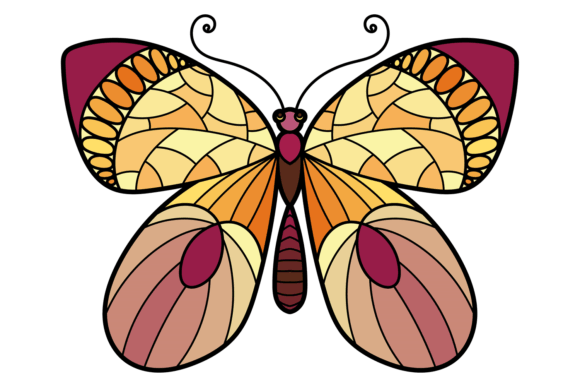
Colorful Butterflies in Summer Nature: Beauty, Symbolism, and Their Role in Ecosystems
The Enchantment of Colorful Butterflies in Summer
As the days grow warmer and the flowers begin to bloom, one of the most captivating sights in summer nature is the colorful butterfly. These delicate yet vibrant creatures flit from flower to flower, adding a splash of color and movement to gardens, meadows, and forests. Often mistaken for moths, butterflies are unique in their daytime activity, bright hues, and intricate patterns that have fascinated humans for centuries.
Butterflies are not just pretty insects; they play a vital role in the environment as pollinators and indicators of ecosystem health. Their presence can signal a thriving natural habitat, while their absence may indicate environmental stress or degradation. Understanding the significance of these insects helps us appreciate their beauty beyond aesthetics and recognize their importance in the balance of nature.
What Makes Butterflies So Colorful?
The brilliant colors of butterflies come from two primary sources: pigmentation and structural coloration. Pigments, such as melanins and flavonoids, absorb certain wavelengths of light and reflect others, creating visible colors. However, many of the most vivid hues—like the shimmering blues of the Morpho butterfly—are due to microscopic structures on their wings that interact with light through interference and diffraction.
- Pigment-based colors: Derived from chemical compounds found in the butterfly’s scales.
- Structural colors: Created by physical structures on the wings rather than pigments.
This combination allows butterflies to display an extraordinary range of colors, often used for communication, camouflage, or warning signals to predators.
Symbolism and Cultural Significance
Throughout history, butterflies have been powerful symbols in various cultures. In many societies, they represent transformation, hope, and freedom. The metamorphosis of a caterpillar into a beautiful butterfly is often seen as a metaphor for personal growth and change. This symbolism has made butterflies popular motifs in art, literature, and even psychology.
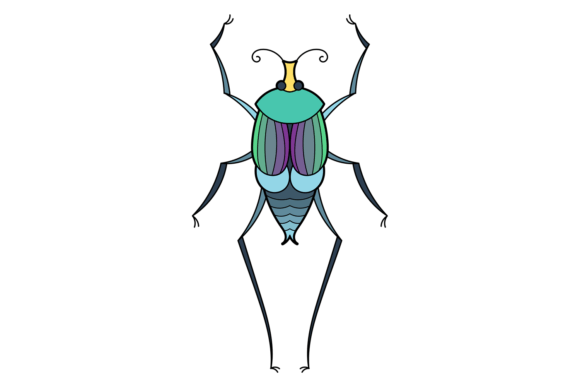
In modern times, the image of the colorful butterfly continues to inspire. Designers use butterfly graphics in fashion, home decor, and branding to evoke feelings of elegance and renewal. From decorative moth illustrations to butterfly-themed logos, these insects are a staple in creative industries.
Use in Graphic Design and Business
If you're looking to incorporate the charm of a colorful butterfly into your designs or branding, high-quality images like EPS, JPG, SVG, or transparent PNG files are invaluable. These formats offer flexibility and clarity, making them ideal for both print and digital media.
- EPS (Encapsulated PostScript): Best for scalable vector graphics used in professional printing.
- JPG (Joint Photographic Experts Group): Suitable for web use and photographs where file size is important.
- SVG (Scalable Vector Graphics): Perfect for responsive web design and animations due to its scalability without loss of quality.
- Transparent PNG: Great for overlays, logos, and backgrounds where transparency is needed.
These decorative moth and butterfly images are often used in educational materials, children's books, wedding invitations, and even scientific presentations to illustrate ecological concepts in an engaging way.
Role in Pollination and Biodiversity
While bees get much of the attention for pollination, butterflies also contribute significantly to this process. As they feed on nectar from flowers, they transfer pollen between plants, helping maintain biodiversity and support plant reproduction. Some species are especially important for specific types of flora, forming mutualistic relationships that are essential for the survival of certain ecosystems.
Protecting butterfly habitats is crucial for preserving biodiversity. Loss of native plants, pesticide use, and climate change all threaten butterfly populations. By planting butterfly-friendly gardens and reducing harmful chemicals, individuals can help sustain these vital pollinators and promote a healthier environment.
Butterflies as Educational Tools
Butterflies are frequently used in science education to teach about life cycles, metamorphosis, and ecological interdependence. For example, observing a chrysalis transform into a butterfly can be a powerful learning experience for students of all ages. This visual and hands-on approach makes complex biological processes more accessible and engaging.
Teachers and educators also use isolated butterfly images in lesson plans and presentations. These visuals—especially when in high-resolution formats like SVG or transparent PNG—can be easily integrated into digital projects, enhancing the learning experience with clear and attractive imagery.
From Art to Technology
In the world of design, the summer nature animal known as the butterfly serves as a versatile and universally appealing element. Whether you’re designing a logo, a website banner, or a piece of fabric, having access to a colorful butterfly isolated on a white background can make your project stand out. Such images are clean, professional, and adaptable, allowing for easy integration into various visual contexts.
Graphic designers often prefer SVG and transparent PNG formats because they allow for resizing without compromising image quality. A transparent butterfly illustration can be placed over any background, making it perfect for minimalist or abstract designs. On the other hand, a white background provides a crisp, polished look suitable for brochures, product packaging, and business cards.
Common Uses in Creative Projects
- Logo design: Butterflies add a sense of grace and natural beauty.
- Website headers: Vibrant butterfly images can draw attention and enhance user experience.
- Children’s books and toys: They appeal to young audiences and are often associated with fun and imagination.
- Wedding invitations and stationery: Symbolizing love and transformation, butterflies are a romantic and elegant choice.
- Science posters and infographics: Used to explain ecosystems and insect behavior visually.
Butterflies vs. Moths
One common misconception is that all winged insects with colorful patterns are butterflies. While some moths do have striking colors, there are key differences between the two. Butterflies typically have slender bodies, clubbed antennae, and are active during the day. Moths, on the other hand, often have feathery or thread-like antennae and are nocturnal. Recognizing these distinctions helps avoid confusion and promotes accurate identification in nature and design work.
Not All Butterflies Are Harmless
Another assumption is that butterflies are entirely beneficial. While adult butterflies primarily feed on nectar and are harmless to plants, their larvae—caterpillars—can sometimes be pests. Certain species feed on agricultural crops or garden plants, causing damage if their population grows unchecked. It’s important to understand the full lifecycle of a butterfly to assess their impact accurately.
Creating a Butterfly Garden
For those who want to attract butterflies to their outdoor spaces, a well-planned butterfly garden can be both rewarding and educational. Here are some tips for creating a welcoming environment:
- Plant native flowers rich in nectar, such as milkweed, coneflower, and lavender.
- Avoid using pesticides, which can harm butterflies and other pollinators.
- Provide host plants for caterpillars, like dill or parsley, depending on the butterfly species.
- Ensure there’s a mix of sun and shade, as butterflies need warmth to fly but rest in cooler areas.
Watching butterflies thrive in your garden not only supports local wildlife but also brings joy and a deeper connection to nature. It’s a small step toward environmental stewardship and can become a meaningful hobby for people of all ages.
Butterflies in Digital and Print Media
Whether you're working on a marketing campaign, an educational infographic, or a seasonal greeting card, the right butterfly image can elevate your message. High-resolution butterfly graphics in formats like EPS or SVG ensure that your visuals remain sharp and professional at any scale.
When searching for the perfect colorful butterfly image, consider the following:
- Look for royalty-free or stock image sites offering multiple file types.
- Choose images with a white or transparent background for maximum versatility.
- Opt for realistic depictions or stylized illustrations depending on your design needs.
With so many options available, finding the ideal butterfly graphic is easier than ever. These images can serve as focal points, decorative accents, or informative elements, depending on how you choose to use them.
Using AI and Drones for Monitoring Populations
Modern technology is playing an increasing role in understanding and protecting butterflies. Researchers now use artificial intelligence to identify and track butterfly species based on images collected in the field. Drones equipped with cameras are also being deployed to monitor hard-to-reach habitats and assess the health of butterfly populations across large areas.
These advancements allow scientists to gather data more efficiently and respond quickly to changes in butterfly distribution. As global temperatures rise and habitats shift, such tools will be essential in ensuring the survival of these delicate insects.
Virtual Reality and Augmented Reality Experiences
Technology is also transforming how we experience butterflies. Virtual reality (VR) and augmented reality (AR) applications now allow users to explore butterfly habitats in immersive environments. These experiences are particularly useful in education, giving students a chance to "step inside" a rainforest or meadow and observe butterflies up close without leaving the classroom.
Such innovations highlight the intersection of nature and technology, showing how digital tools can deepen our appreciation for the natural world and encourage conservation efforts.
Conclusion: Celebrating the Colorful Butterfly
The colorful butterfly is more than just a symbol of summer beauty; it is a vital part of our ecosystem and a source of endless inspiration in design and creativity. Whether you encounter them fluttering in a garden or admire a decorative moth in an artistic composition, butterflies remind us of the wonders of the natural world and the importance of preserving it.
By understanding their role in pollination, recognizing their cultural significance, and utilizing their imagery responsibly in design, we can celebrate butterflies in ways that honor both their beauty and their function. As we continue to innovate and create in the digital age, let’s not forget the lessons these summer nature animals offer about transformation, resilience, and harmony with the earth.
So next time you see a butterfly dancing among the flowers, take a moment to appreciate its journey—and perhaps consider how its image might bring a touch of nature and meaning to your own creative or educational endeavors.