Elegant Vintage Baroque Element. Decorat
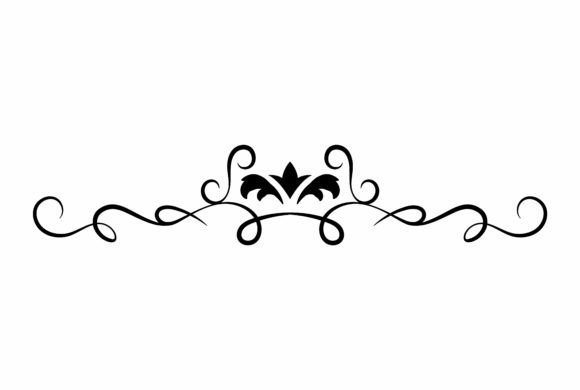
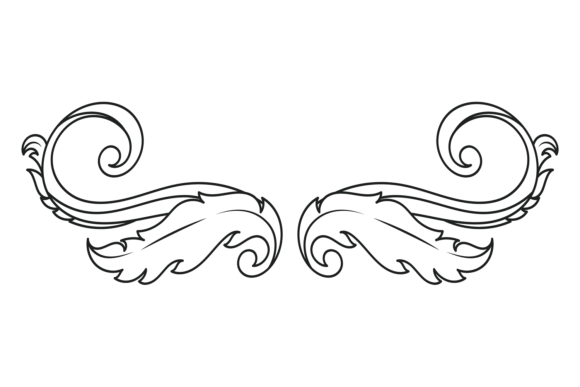
The Elegant Vintage Baroque Element. Decorat is a design motif that draws inspiration from the grandeur and ornate beauty of the Baroque period. Known for its dramatic curves, intricate details, and luxurious feel, this element brings a touch of historical elegance to modern visual projects. Whether you're a designer, marketer, or someone with a passion for vintage aesthetics, understanding how to use this decorative style can enhance your creative output significantly.
Real-World Uses Across Industries
This design element isn't just for art historians — it's being embraced by a variety of industries looking to evoke sophistication and timelessness. In fashion, for instance, luxury brands often incorporate Baroque-inspired patterns into their packaging or branding materials to communicate exclusivity and heritage. A perfume label adorned with an Elegant Vintage Baroque Element. Decorat instantly feels more refined and high-end.
In the world of interior design, these motifs appear on wallpaper borders, furniture inlays, and even lighting fixtures. The rich textures and elaborate designs make them ideal for creating focal points in rooms that aim for a classic, opulent ambiance. A coffee table with an Elegant Vintage Baroque Element. Decorat border can transform a minimalist space into something far more regal.
Marketing and Branding Applications
For marketers and brand strategists, the Elegant Vintage Baroque Element. Decorat serves as a powerful visual tool. It’s commonly used in print media such as invitations, brochures, and product labels. High-end restaurants, spas, and event planners frequently leverage this style to craft imagery that conveys luxury and attention to detail.
Consider a wedding invitation suite that uses a Baroque filigree pattern. The design immediately sets a tone of romance and extravagance, aligning perfectly with the theme of the event. Similarly, a wine brand might use this element on bottle seals or tasting room décor to reinforce a sense of tradition and quality.
Customization and Formats
One of the strengths of the Elegant Vintage Baroque Element. Decorat lies in its availability across multiple file formats — including EPS, JPG, SVG, and transparent PNG. This flexibility allows designers to adapt the motif to various needs without compromising on quality or aesthetic integrity.
- EPS (Encapsulated PostScript): Perfect for scalable vector graphics, ensuring the design remains crisp at any size. Ideal for logos, large-format printing, or custom illustrations.
- JPG: Great for web-based applications where file size matters. Use it for banners, social media posts, or email headers.
- SVG: Offers both scalability and interactivity. Useful for digital artwork, responsive websites, or animated elements.
- Transparent PNG: Allows seamless integration into layered designs or backgrounds. Often used in app interfaces, website headers, or product mockups.
When choosing between these formats, consider the final application. If you're designing a poster, SVG or EPS will give you the best results. For online content like blog headers or promotional images, a high-resolution JPG or transparent PNG is typically sufficient.
Use Cases for Different Audiences
Designers working in print and digital media find the Elegant Vintage Baroque Element. Decorat particularly useful when aiming for a blend of old-world charm and contemporary appeal. A graphic designer creating a brochure for a heritage hotel, for example, could subtly incorporate this motif into headings or corner accents to reflect the property's age and elegance.
Photographers also benefit from using this element in post-production work. Overlaying a Baroque filigree on a black-and-white portrait adds depth and character, transforming a simple photo into a gallery-ready piece. The same applies to editorial photography, where such elements can frame shots in magazines focused on fashion, history, or luxury goods.
Event planners are another group who regularly use the Elegant Vintage Baroque Element. Decorat. From signage to table centerpieces, the motif helps set the stage for themed events like Renaissance fairs, historical reenactments, or even upscale galas. Its timeless appeal ensures it resonates with diverse audiences while maintaining a cohesive look throughout the event space.
Choosing the Right Style for Your Project
Before applying the Elegant Vintage Baroque Element. Decorat, it's essential to understand the context of your project. This design works well in settings where there's a desire to evoke nostalgia, refinement, or a sense of celebration. However, it may not be suitable for every situation.
If you're designing a tech startup’s landing page, for example, a Baroque motif might clash with the clean, modern lines expected in that industry. But if you’re crafting a brand identity for a boutique candle company specializing in hand-poured, artisanal products, then the Elegant Vintage Baroque Element. Decorat could be exactly what you need to stand out.
Consider the following when deciding whether to use this design element:
- Does the overall project require a classic or luxurious aesthetic?
- Will the Baroque pattern complement the color scheme and typography?
- Is the audience likely to appreciate or expect this level of ornamentation?
Answering these questions early on can help ensure the design doesn’t become overwhelming but instead enhances the visual narrative of your project.
Strengths and Limitations
The primary strength of the Elegant Vintage Baroque Element. Decorat is its ability to convey sophistication quickly and effectively. Its detailed nature makes it a standout feature in otherwise plain compositions, adding layers of visual interest and emotional resonance.
However, there are limitations to be aware of. Because of its complexity, the Baroque style can sometimes compete with other design elements or text, especially if overused. It’s important to balance it with negative space and simpler components to maintain readability and focus.
Another consideration is the cultural context. While Baroque design is widely appreciated in Western traditions, it may not resonate as strongly in regions where minimalism or modernist styles dominate. Always tailor the use of this element to your target market’s preferences and expectations.
Practical Examples and Observations
Let’s take a look at some real-life examples where the Elegant Vintage Baroque Element. Decorat has been successfully applied:
- Book Covers: Publishers of historical fiction or poetry often use Baroque elements to suggest depth, emotion, and richness. The filigree can wrap around titles or frame images, making the cover visually compelling.
- Wedding Stationery: As mentioned earlier, Baroque motifs are popular in wedding designs. They add a romantic flair to save-the-dates, programs, and thank-you cards.
- Luxury Packaging: High-end skincare and cosmetics brands use Baroque elements to differentiate themselves in a competitive market. These patterns suggest craftsmanship and exclusivity.
- Digital Art: Artists create stunning digital collages using Baroque elements as overlays. This approach is common in fantasy-themed artworks or historical illustrations.
What makes the Elegant Vintage Baroque Element. Decorat so versatile is its ability to scale and adapt. A small floral accent can work on a button, while a larger, more complex version might suit a background panel or header. The key is to let the design breathe and not overcrowd the space it inhabits.
Where to Find and How to Use
There are several platforms where you can find the Elegant Vintage Baroque Element. Decorat in various formats. Graphic design marketplaces like Shutterstock, Adobe Stock, and Creative Market offer high-quality files suitable for commercial use. Always verify licensing terms before downloading, especially if the design will be used in client-facing projects or products sold publicly.
Once you’ve selected the right file, here’s how to apply it effectively:
- Use it sparingly — think of it as a finishing touch rather than a dominant feature.
- Layer it behind text or icons to add texture without distracting from the main message.
- Adjust colors to match your project palette; many Baroque elements come in monochrome, which makes them easy to recolor.
Design software like Adobe Illustrator or Photoshop is ideal for manipulating these elements. You can scale, rotate, or combine them with other decorative assets to build a unique composition that fits your vision.
Combining with Other Styles
While the Elegant Vintage Baroque Element. Decorat stands on its own beautifully, it can also be paired with other design styles to create a more eclectic look. For example, mixing Baroque elements with Art Nouveau flourishes or Victorian motifs can result in a rich, layered aesthetic that tells a story through visuals.
On the flip side, combining Baroque with minimalist or Scandinavian designs requires careful handling. Too much contrast can lead to a disjointed look. Instead, try using the Baroque element as a subtle border or background texture to bridge the gap between old and new styles.
Another interesting combination is with Gothic architecture themes. When used in architectural illustrations or historical tours, the Elegant Vintage Baroque Element. Decorat can highlight specific features like arches, windows, or doorways, enhancing the educational or artistic value of the image.
Aesthetic Value in Modern Contexts
Despite its roots in the 17th and 18th centuries, the Elegant Vintage Baroque Element. Decorat continues to thrive in today’s design landscape. Social media influencers in the antique and vintage niche often use these elements to frame quotes, photos, or lifestyle content. It adds a layer of authenticity and visual warmth that users respond to positively.
Interior decorators might use Baroque-style wallpapers or textiles to create a sense of drama in living spaces. The right placement — perhaps above a fireplace or behind a bed — can elevate the entire room’s atmosphere. In these cases, the Elegant Vintage Baroque Element. Decorat becomes more than just decoration; it’s a statement.
Even in e-commerce, this design plays a role. Jewelry stores, in particular, use Baroque elements to showcase their collections. A necklace displayed against a Baroque backdrop feels more valuable and curated, influencing purchasing decisions subtly but effectively.
Final Thoughts on Application
When working with the Elegant Vintage Baroque Element. Decorat, remember that less is often more. Start with one or two key placements and see how they affect the overall design. Test different formats to find the best fit for your medium — print or digital — and always consider the audience’s perception of luxury and tradition.
By thoughtfully integrating this element into your projects, you can achieve a balance between historical richness and modern relevance. It’s a way to honor the past while still speaking to contemporary tastes and trends.