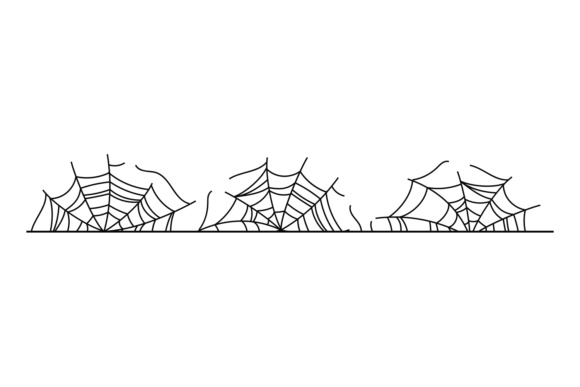
Spider Web Horizontal Divider: A Decorative Element for Modern Design
The Spider Web Horizontal Divider has become a popular design element in both digital and print media. Known for its intricate patterns and elegant structure, it serves as more than just a visual separator—it adds depth, character, and a touch of sophistication to layouts. Whether you're designing a website, preparing marketing materials, or enhancing a presentation, this decorative divider can elevate your project's aesthetics significantly.
What is a Spider Web Horizontal Divider?
A spider web horizontal divider is a graphic element that mimics the natural shape and symmetry of a spider’s web. Typically used as a horizontal line between sections, it introduces a subtle yet artistic transition without overwhelming the design. Unlike simple lines or bars, these dividers often feature detailed geometric patterns, making them ideal for creative projects where visual appeal matters.
Available in various formats such as EPS and JPG, they are easy to integrate into different platforms. The decorative top border version of this divider is especially useful when you want to highlight the beginning of a new section with a unique flair while maintaining a clean layout.
Why Use a Spider Web Horizontal Divider?
- Visual Interest: Adds texture and complexity to otherwise flat designs.
- Symbolic Appeal: Evokes themes of nature, creativity, and interconnectedness.
- Layout Enhancement: Helps organize content in a visually engaging way.
- Brand Identity: Can be customized to reflect brand colors or styles, reinforcing brand recognition.
Applications Across Industries
Designers across multiple industries have found innovative ways to use the Spider Web Horizontal Divider. From web development to print publishing, its adaptability makes it a versatile tool. Let's explore how it fits into modern workflows and what benefits it brings.
Web Design and Development
In web design, a horizontal divider like the spider web motif can help break up long blocks of text or content. It acts as a soft signal to users that a new section is starting, improving readability and user experience. When used sparingly, it prevents clutter and maintains a sense of flow.
Developers appreciate the fact that these dividers come in scalable vector formats (like EPS), which means they retain their quality at any size. This is crucial for responsive design, ensuring the divider looks sharp on all devices—from mobile phones to large desktop monitors.
Print Media and Graphic Design
Graphic designers working on brochures, posters, or magazine layouts often incorporate the spider web horizontal divider to separate topics or introduce new segments. Its isolated white background ensures it blends well with other elements, offering flexibility in placement and layering.
For instance, a travel brochure might use a decorative top border featuring a spider web pattern to denote a “hidden gems” section. This not only adds a thematic element but also guides the reader through the content in a more intuitive manner.
Marketing and Branding
Marketers looking to create visually compelling email templates or social media graphics can benefit from using a spider web horizontal divider. These dividers help segment call-to-action buttons, testimonials, or product highlights without the need for heavy text formatting or color changes.
Using an isolated white background allows the divider to stand out against colored backgrounds or images, making it perfect for minimalist branding strategies. The pattern itself can subtly reinforce a brand’s theme—especially if the brand focuses on innovation, artistry, or nature-inspired products.
Choosing the Right Style and Format
When selecting a spider web horizontal divider, consider the following factors to ensure it aligns with your project goals and technical requirements:
- Format Compatibility: If you’re working in Adobe Illustrator or similar software, choose the EPS format for scalability and editability. For quick use in Photoshop or online tools, the JPG format provides a ready-to-use solution.
- Color Scheme: Most dividers come in black or white, but many can be recolored to match your brand palette. Opt for versions that allow customization for better integration.
- Background Isolation: Dividers with an isolated white background are easier to place over colorful or image-heavy sections. Make sure the file you download includes transparency options if needed.
- Pattern Complexity: Simpler designs may suit professional websites, while more intricate versions work well in creative portfolios or themed marketing campaigns.
Real-World Examples
Here are some practical examples of how a spider web horizontal divider can be applied:
- Portfolio Websites: Used to separate different categories of work—such as photography, illustrations, or client projects—without disrupting the site’s aesthetic harmony.
- Blog Layouts: Placed between posts or within a single post to distinguish headings, subheadings, or featured quotes.
- Event Invitations: As a decorative border above key details like time, date, or location, adding a whimsical yet refined look.
- Infographics: To visually divide data points or concepts, helping viewers follow along easily.
Practical Benefits of Using a Spider Web Horizontal Divider
Integrating a spider web horizontal divider into your design offers several tangible advantages:
Improved Readability
By breaking up dense content, the divider helps guide the viewer’s eye naturally through the page. This is particularly important in digital environments where attention spans are short and information overload is common.
Enhanced Visual Hierarchy
These dividers contribute to a stronger visual hierarchy by signaling transitions between ideas or sections. This helps users understand the structure of the page without relying solely on headers or text formatting.
Minimalist Yet Engaging
Despite its complexity, the spider web horizontal divider can maintain a minimalist feel when used correctly. Its organic form and subtle detailing offer a balance between simplicity and creativity.
Customization and Reusability
Many downloadable files include layered designs or vector paths, allowing you to modify the pattern’s thickness, color, or even add small icons or text elements. This makes it highly reusable across multiple projects.
Things to Consider Before Choosing a Spider Web Divider
While the spider web horizontal divider is undeniably stylish, there are a few things to keep in mind before incorporating it into your work:
- Context Matters: Not every design calls for a complex pattern. In formal business reports or corporate presentations, a simpler divider might be more appropriate.
- Contrast: Ensure the divider stands out against the background. Low contrast can make it invisible or distracting.
- Consistency: Match the divider style with other design elements in your project to maintain a cohesive look.
- File Size: High-resolution JPGs or large EPS files can impact loading times on websites. Optimize accordingly based on platform needs.
Recommended Scenarios for Use
Here are a few scenarios where a spider web horizontal divider could shine:
- Creative Blogs: Add a touch of elegance between blog posts or within article sections.
- E-commerce Sites: Separate product categories or highlight special offers with a subtle yet stylish line.
- Invitations and Event Flyers: Create a memorable layout that draws attention to key details.
- Digital Magazines: Use as a recurring motif to unify the publication’s visual identity.
How to Source and Use a Spider Web Horizontal Divider
If you’re looking to find or use a spider web horizontal divider, here are a few tips to streamline your workflow:
Where to Find Them
You can find high-quality spider web horizontal divider graphics on stock image sites, design marketplaces, or specialized illustration resources. Look for keywords like “spider web horizontal divider,” “decorativ line,” or “nature-themed border.” Filter by format (JPG or EPS) depending on your editing preferences.
Editing Tips
When working with an EPS file, open it in a vector-based program like Adobe Illustrator to adjust colors, scale it precisely, or extract individual elements. For JPG files, use photo-editing software to crop, resize, or overlay it onto your design canvas.
Best Practices for Integration
- Use the divider consistently throughout the project for a unified look.
- Pair it with complementary fonts and colors to enhance visual harmony.
- Avoid overuse; one or two dividers per page usually suffice to maintain clarity.
- Ensure it doesn’t interfere with the legibility of surrounding text or images.
Conclusion
The spider web horizontal divider is more than just a pretty graphic—it's a functional design tool that enhances user experience and visual storytelling. With its decorativ appeal and versatility in format, it can be adapted to fit nearly any creative need. Whether you're aiming for a modern, nature-inspired, or simply elegant design, this divider offers a unique way to separate content while keeping the overall layout cohesive and appealing.
As you begin to incorporate it into your next project, remember to balance beauty with usability. Choose the right format, apply it thoughtfully, and watch how it transforms your design into something memorable and impactful.