Twig: A Strategic Design Element for Seamless Creative Projects
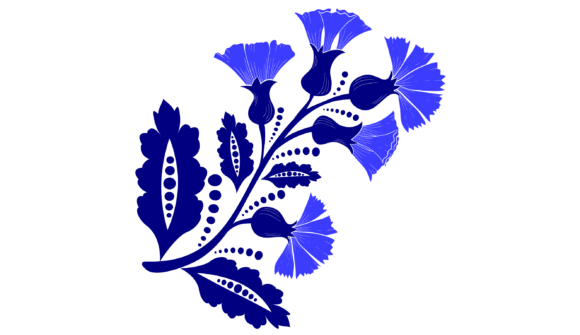
Twig is more than just a visual motif—it’s a versatile design element that can elevate your creative work across multiple platforms and mediums. Specifically, the Blue Cornflower Decorative Twig on a transparent background offers unique opportunities for professionals and hobbyists alike to craft visually appealing and cohesive content. Whether you’re designing digital assets or physical products, this twig can serve as a subtle yet impactful detail that enhances aesthetics without overwhelming the overall composition.
Why Choose Twig in Your Design Strategy?
Design elements like Twig are often overlooked but play a crucial role in visual storytelling. The Blue Cornflower Decorative Twig, with its elegant shape and soft color, can be strategically used to create continuity in branding, add organic texture to layouts, or introduce a touch of nature into otherwise structured designs. Its transparency allows it to blend seamlessly into backgrounds, making it ideal for projects where subtlety is key.
For entrepreneurs and marketers, incorporating such an element can help differentiate their brand from competitors while maintaining professionalism. Educators and publishers may find it useful for creating engaging learning materials or magazine covers that stand out in a crowded market. Freelancers and bloggers can use it to enhance website headers, social media templates, or printables shared with their audience.
Strategic Applications Across Industries
- Brand Identity: Use the twig to reinforce a natural or artisanal theme in logos, business cards, or stationery. This helps build a consistent brand image that resonates with eco-conscious or handcrafted audiences.
- Digital Marketing: Incorporate the twig into email headers, social media banners, or website graphics to maintain a cohesive look across all online channels.
- Print Media: Add it to wedding invitations, postcards, or travel notes to give them a refined, personal feel. It also works well on tags, menus, and programs to enhance readability and visual appeal.
- Product Packaging: Small businesses can integrate the twig into packaging labels or gift tags, subtly reinforcing the product's quality and attention to detail.
Planning Thoughtfully with Twig
Before using Twig in your projects, consider how it aligns with your overarching goals. Ask yourself:
- What message am I trying to convey with this design?
- How does the twig complement or contrast with other elements in the layout?
- Will it remain effective across different sizes and formats?
The answer to these questions will guide your decision-making process. For example, if you're designing a minimalist logo for a wellness brand, the twig might serve as a quiet symbol of growth and balance. In contrast, if you're working on a vibrant children's book cover, it could be used sparingly to add depth without distracting from the main subject.
Use Cases That Deliver Value
Let’s explore some realistic scenarios where the Blue Cornflower Decorative Twig adds long-term value:
- Website Headers: Place the twig along the edges or corners of your header images to create a sense of movement and elegance. This works especially well for lifestyle blogs, portfolio sites, or e-commerce stores selling handmade goods.
- Invitation Templates: Wedding planners or event designers can include the twig in invitation borders or overlays to evoke a rustic or romantic aesthetic.
- Fabric Prints: Fashion designers looking to incorporate botanical elements into their collections can use the twig as part of a repeating pattern for t-shirts, scarves, or home textiles.
- Magnets and Stickers: Create custom magnets or stickers for small businesses by embedding the twig into the design. These can serve as promotional items or branded merchandise.
- Magazine Covers and Layouts: Use the twig as a separator between sections or as part of a border design to guide the reader’s eye through the publication.
When to Use Twig and When to Avoid It
While the Blue Cornflower Decorative Twig is a powerful tool, it should be used intentionally rather than randomly. It thrives in contexts where organic, flowing lines add character and cohesion. However, avoid using it in overly busy designs where it might get lost or compete with other visual elements.
Consider the following before relying on Twig:
- Is there a clear purpose for including it in this particular project?
- Does it support the tone and message of the content?
- Will it scale effectively across various resolutions and print sizes?
If you’re unsure, test the twig in a few sample layouts to see how it performs. This practical approach ensures you make informed decisions based on real-world application rather than assumptions.
Risks of Using Twig Without Clear Goals
One of the biggest risks of using decorative elements like Twig is overcomplication. Adding too many visual details can dilute the impact of your core message and confuse your audience. If you don’t have a clear understanding of how the twig contributes to your design strategy, it might end up being a distraction rather than an enhancement.
Another risk lies in inconsistency. If you use the twig in one project but not others, it can break the visual harmony of your brand. Always ensure that any recurring elements are integrated thoughtfully into your broader creative framework.
Maximizing Creativity with Twig
Twig isn't limited to just one industry or format. Its adaptability makes it a valuable asset for creators in various fields. Here are some ways to maximize its potential:
- Layering: Combine the twig with other textures or patterns to create depth. Try layering it with watercolor brushes or subtle shadows to simulate a more dynamic effect.
- Color Matching: Since it comes in RGB mode, experiment with blending it into existing palettes. Adjust opacity levels or overlay effects to match your brand colors precisely.
- Scalability: The high-resolution PNG (600 dpi, 4541 x 6250 pixels) ensures clarity even when printed at large sizes. The SVG, EPS, and PDF formats allow for easy scaling and editing, which is essential for professional-grade outputs.
By treating the twig as a foundational component rather than an afterthought, you can unlock new possibilities in your design process. It becomes a strategic element that supports your creative vision and strengthens your communication with the audience.
Practical Tips for Getting Started
Here are a few actionable tips to help you begin integrating the Blue Cornflower Decorative Twig into your workflow:
- Start with a single file type: Begin with the SVG or EPS version if you need to edit or scale the twig frequently. Otherwise, the PNG is perfect for immediate use in web or print.
- Test in context: Before finalizing your design, place the twig in the actual environment where it will appear—whether that’s on a mockup of a t-shirt or within a full page layout.
- Keep it simple: Less is often more. A single, well-placed twig can make a bigger impact than several scattered ones.
Long-Term Value and Creative Growth
Investing time to understand how to use Twig effectively can lead to long-term benefits in your creative output. As your design skills evolve, so will your ability to leverage such elements to express complex ideas with simplicity and elegance. Over time, you’ll develop a better intuition for when and how to apply the twig, resulting in more polished and professional-looking work.
Moreover, having access to high-quality files in multiple formats means you can revisit and repurpose the twig across different campaigns or projects. This flexibility is invaluable for maintaining consistency and efficiency in your creative processes.
Branding and Positioning Through Design Details
In the world of branding, every detail matters. The Blue Cornflower Decorative Twig is no exception. When used consistently, it can become a signature element that reinforces your brand identity. Think of it as a silent ambassador for your style—something that viewers may not consciously notice but will subconsciously associate with your work.
Marketers and business owners should consider how such subtle touches contribute to positioning. A well-designed visual identity builds trust and familiarity. The twig, when applied with intention, can help establish a unique visual language that sets your brand apart in a competitive landscape.
Conclusion: Intentionality Over Impulse
Decorative elements like Twig offer immense creative potential, but their true value lies in how they’re used. By approaching them strategically—considering goals, context, and long-term outcomes—you can transform them from simple illustrations into meaningful components of your design strategy. The Blue Cornflower Decorative Twig, in particular, provides a clean, elegant option for those who want to infuse a bit of nature into their work without sacrificing professionalism or clarity.
As you move forward, remember that thoughtful planning and execution lead to better results. Let the twig serve a purpose in your designs, and watch as it contributes to stronger branding, improved user experience, and more cohesive visual storytelling.