Bows Line Art: Strategic Use of Abstract Decorative Design for Impactful Communication and Branding
Visual storytelling is a cornerstone of modern communication, especially in branding, marketing, and design. Bows Line Art, with its elegant curves and minimalist aesthetic, offers a unique way to convey sophistication and creativity without overwhelming the viewer. When crafted into abstract decorative design elements, bows can become more than just symbols—they serve as functional assets that enhance clarity, add visual interest, and align with strategic objectives. This article explores how professionals can leverage Bows Line Art intentionally to support goals across various industries.
Understanding Bows Line Art
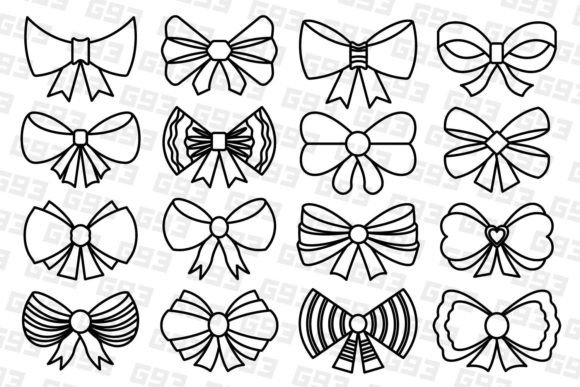
Bows Line Art refers to stylized bow designs rendered using clean lines and often integrated into broader abstract or geometric patterns. These are typically presented in formats such as JPG, PNG, SVG, AI, and EPS, making them adaptable for both digital and print media. A common offering includes 16 high-resolution files (300 ppi density) with transparent backgrounds and vector versions for scalability and flexibility.
What sets Bows Line Art apart is its ability to maintain visual appeal while being highly customizable. Unlike intricate illustrations, these line-based designs allow for seamless integration into logos, infographics, social media posts, packaging, and editorial layouts. Their black-and-white nature ensures they remain timeless and versatile, avoiding the risk of becoming outdated due to color trends.
Strategic Value in Professional Contexts
For entrepreneurs, marketers, and creatives, the use of Bows Line Art goes beyond decoration. It’s a strategic tool that can subtly influence perception and reinforce brand identity. Consider the following scenarios:
- Branding and Identity: Incorporating Bows Line Art into logo design or website headers can signal elegance and attention to detail. The symmetry and fluidity of bow shapes can evoke themes of celebration, connection, or harmony—depending on how they're positioned and styled.
- Content Marketing: Bloggers and publishers can use Bows Line Art as dividers or section headers to break up text and guide readers through content. The design adds structure without distraction, improving readability and engagement.
- Product Packaging: Small business owners and retailers can enhance product aesthetics by adding subtle bow motifs. These elements can differentiate their offerings from competitors and create a memorable unboxing experience.
- Graphic Design Projects: Whether designing for a client or personal portfolio, Bows Line Art provides a refined touch that elevates the overall look and feel. Its adaptability makes it ideal for both background accents and focal points.
Planning Thoughtfully with Bows Line Art
To make the most of Bows Line Art, it’s essential to approach its application with intention. Here are some practical planning tips to ensure your use of this design element supports your outcomes:
- Define Your Purpose: Ask yourself what you want the bow to represent. Is it an accent to add softness? A symbol of celebration or formality? Clarifying this helps determine placement, scale, and style.
- Match Tone and Context: Ensure the bow’s design aligns with the tone of your project. For example, a delicate ribbon icon may work well in a luxury product brochure, while a bold, geometric bow might be better suited for a modern app interface.
- Consider Scalability: Using vector files like SVG, AI, or EPS allows for resizing without quality loss. This is crucial when creating materials for multiple platforms or print sizes.
- Test Across Platforms: Before finalizing, preview the Bows Line Art in different contexts—mobile screens, billboards, brochures—to ensure it maintains its impact and legibility.
Use Cases for Maximum Effect
Bows Line Art isn’t one-size-fits-all, but its adaptability means it can be applied strategically in many areas:
- Website Headers and Footers: Add a ribbon icon set in black and white to distinguish sections or highlight key features without cluttering the layout.
- Email Signatures and Templates: Use abstract bow elements to create a consistent and professional visual theme across all communications.
- Social Media Graphics: Enhance Instagram posts, Facebook banners, or LinkedIn articles with subtle bow accents to draw attention to headlines or call-to-action buttons.
- Print Materials: From business cards to flyers, Bows Line Art can lend a polished finish that reinforces professionalism and creativity.
How to Approach Integration
Integrating Bows Line Art into your projects should begin with a clear understanding of your audience and message. Here’s a structured way to incorporate it effectively:
- Start with the Message: Determine the core message or emotion you want to communicate. Does the bow help tell that story visually?
- Balance with Other Elements: Avoid overusing Bows Line Art. Let it complement rather than overshadow other design components like typography or photography.
- Use Consistently: If you choose to feature bow motifs in your brand visuals, apply them consistently across all touchpoints to build recognition and trust.
- Experiment with Layout: Test different placements—top corners, center alignments, or floating overlays—to find the most effective use case for each medium.
Abstract Decorative Design Elements: More Than Just Pretty Lines
While the beauty of Bows Line Art is undeniable, its true value lies in its ability to serve as a silent communicator. Abstract decorative design elements can evoke feelings and suggest meaning without words. In branding, this can mean the difference between a forgettable logo and one that resonates emotionally with customers.
When used thoughtfully, these elements can also act as visual cues. For instance, a ribbon icon placed near a “Contact Us” button can imply accessibility or invitation. Similarly, placing a bow motif next to a product name may suggest exclusivity or special attention to detail.
Decision-Making Guidance for Intentional Use
Using Bows Line Art requires more than just picking a pretty graphic. To ensure it contributes meaningfully to your work, consider the following questions before implementation:
- Does this bow align with our brand values or the message of this piece?
- Will it add visual interest or confuse the user?
- Is there a reason for using a bow instead of another design element?
- Can we modify or reposition it for better usability or impact?
These reflective prompts encourage a more deliberate use of design, which is especially important in competitive markets where every visual choice must count.
Risks of Random Application
One potential pitfall is using Bows Line Art randomly or without considering the context. While the design is appealing, its effectiveness diminishes if it doesn’t contribute to the overall narrative or function. For example, placing a bow icon in the middle of a complex infographic could disrupt the flow and distract from the data being presented.
Another risk involves inconsistency. If a bow appears in one part of your branding but not others, it can lead to confusion or dilute the intended effect. Always evaluate whether the bow enhances the user experience or merely serves as a stylistic flourish with no purpose.
Long-Term Benefits of Intentional Design
Investing time in selecting and applying Bows Line Art can yield long-term benefits, particularly in building a cohesive and recognizable brand identity. Over time, audiences will associate these visual motifs with your brand’s personality, leading to stronger emotional connections and loyalty.
Additionally, the availability of multiple file formats—such as SVG for web use and AI/EPS for print—ensures that your design choices remain flexible and future-proof. As trends evolve and new platforms emerge, having scalable and editable assets means your creative output stays relevant and adaptable.
Examples of Effective Bow Usage
Let’s look at real-world examples where Bows Line Art has been used to great effect:
- E-commerce Websites: A boutique fashion brand uses a black-and-white bow motif in its checkout confirmation email to create a sense of closure and satisfaction after a purchase.
- Corporate Presentations: A financial services company integrates a ribbon icon set into slide transitions, subtly reinforcing themes of order and precision.
- Editorial Design: A lifestyle magazine uses abstract bow elements as chapter dividers in its print edition, guiding readers through thematic sections with grace and continuity.
- Mobile App Interfaces: A wellness app employs Bows Line Art as separators between menu items, enhancing navigation without overwhelming users.
Creating a Cohesive Visual Language
Visual language plays a critical role in how information is received and interpreted. By incorporating Bows Line Art into a larger system of icons, fonts, and colors, you can craft a visual identity that speaks clearly and consistently to your audience.
Here’s how to start building a cohesive system:
- Establish a Style Guide: Define how Bows Line Art will be used in terms of size, placement, and frequency. This prevents misuse and maintains visual integrity.
- Pair with Complementary Elements: Combine bows with other line art, such as arrows, waves, or dots, to create a unified design vocabulary.
- Ensure Accessibility: Since Bows Line Art is often in black and white, confirm that it remains visible and meaningful even when printed in grayscale or viewed on low-resolution screens.
Enhancing Creativity and Productivity
Designers and creators can benefit from using Bows Line Art as a starting point for brainstorming sessions. The simple yet expressive nature of the bow shape can spark ideas for new compositions, branding concepts, or even product names. Keeping a collection of 16 high-resolution variations gives you the freedom to experiment and iterate quickly.
Moreover, because these assets are already optimized for clarity and resolution, they save valuable time during the production phase. Instead of spending hours on custom illustrations, you can focus on refining your message and ensuring the design supports your goals efficiently.
Measuring the Impact of Visual Choices
While Bows Line Art may seem like a small component of a larger design, its impact can be significant. Measuring how visual elements affect user behavior or customer perception is a best practice in any strategic design initiative.
Some ways to assess effectiveness include:
- Tracking click-through rates on emails or websites with bow-enhanced elements.
- Gathering feedback from users about how the design affects their understanding or emotional response.
- Comparing engagement metrics before and after integrating Bows Line Art into campaigns.
This data-driven approach ensures that your design decisions are aligned with measurable outcomes, helping you refine your strategy over time.
Conclusion
In a world where visual clarity and brand consistency are paramount, Bows Line Art offers a powerful, yet understated solution. When used with intention, it can enhance communication, improve user experience, and elevate the perceived value of your products or services. However, success depends on thoughtful planning, alignment with strategic goals, and a deep understanding of your audience’s expectations.
Whether you’re a marketer looking to refine your campaign visuals, a designer seeking to streamline your workflow, or an entrepreneur aiming to strengthen your brand presence, Bows Line Art is a versatile asset worth exploring. Make sure your use of it is grounded in purpose, and you’ll see its value reflected in both short-term results and long-term brand equity.