Exploring the Beauty of Floral Line Art: A Comprehensive Guide to SVG Elements and Design Uses
Floral line art has long been a staple in creative design, offering a timeless and elegant way to incorporate nature into visual projects. Whether you're designing wedding invitations, creating educational materials, or enhancing your brand’s aesthetic, floral line art provides an artistic yet functional approach. In this article, we’ll explore what floral line art is, its significance in modern design, and how it can be used effectively with various file formats like AI, PNG, EPS, SVG, PDF, and JPEG.
What Is Floral Line Art?
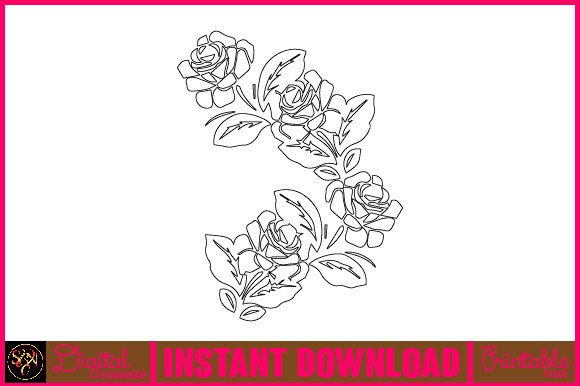
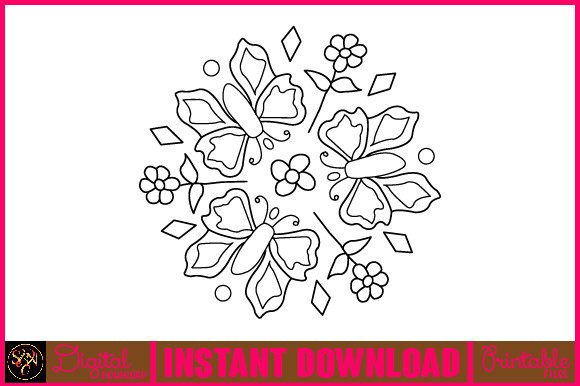
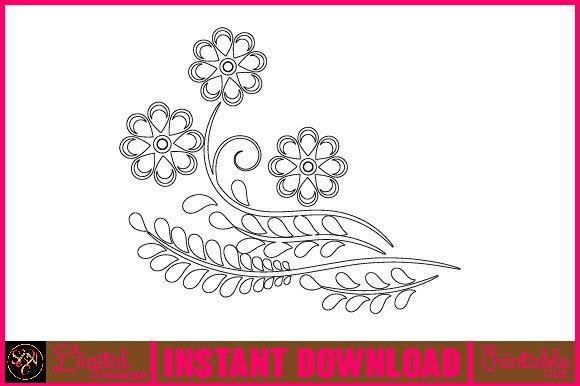
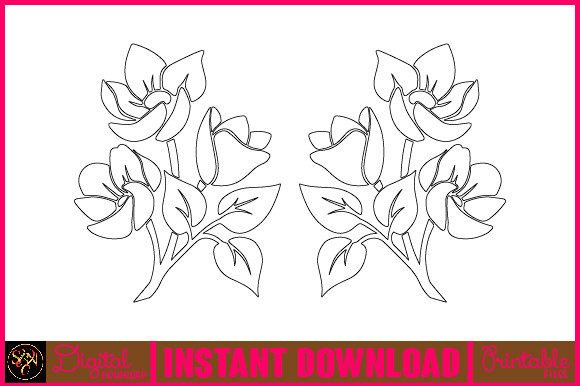
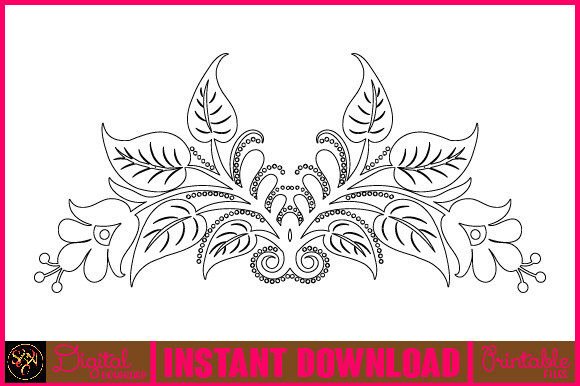
Floral line art refers to illustrations that use clean lines to depict flowers, plants, leaves, and other botanical elements. These designs are often hand-drawn, giving them a natural and organic feel. The emphasis is on form and structure rather than color, making them incredibly versatile for a wide range of applications.
Common features of floral line art include:
- Minimalism: Simple outlines without shading or fill colors.
- Hand-drawn style: Adds a personal, artisanal touch to digital projects.
- Versatility: Can be adapted to any color scheme or design theme.
- Repetition and patterns: Often used in borders, frames, and backgrounds.
The Purpose and Significance of Floral Line Art
Floral line art serves multiple purposes across different industries. Its primary role is decorative, but it also adds meaning and symbolism to design work. For example, flowers and leaves have long represented growth, beauty, and renewal—themes commonly found in branding, packaging, and event design.
In the world of graphic design, these elements are crucial because they allow designers to communicate ideas subtly. A wreath of flowers might suggest celebration, while a single leaf could imply sustainability or nature. This makes floral line art not only visually appealing but also semantically rich.
Practical Relevance in Modern Life
From digital marketing to print media, floral line art finds its place in many aspects of daily life. It’s especially popular in the following areas:
- Wedding Invitations: Hand-drawn floral wreaths and borders add a romantic and vintage touch to invitations, programs, and thank-you cards.
- Interior Design: Used in wall art, textiles, and furniture to create a soft, welcoming atmosphere.
- Education and Publishing: Decorative elements help break up text and make learning materials more engaging.
- Business Branding: Companies in the wellness, fashion, and food sectors often use floral motifs to convey elegance and natural appeal.
- Creative Projects: Artists and hobbyists enjoy using these elements for scrapbooking, greeting cards, and social media graphics.
Understanding File Formats: AI, PNG, EPS, SVG, PDF, JPEG
When working with floral line art, understanding the available file formats is essential for choosing the right one for your project. Each format offers unique benefits depending on the platform and purpose of use.
SVG Files: Scalable Vector Graphics
SVG (Scalable Vector Graphics) files are ideal for web-based projects. They maintain high quality at any size and are editable using vector software like Adobe Illustrator. If you’re designing for websites, apps, or social media, SVG is a go-to format due to its scalability and small file size.
AI Files: Adobe Illustrator
AI files are native to Adobe Illustrator and offer full editability of all design layers. This makes them perfect for designers who want to tweak individual elements such as stems, petals, or curls. You can easily recolor or resize components within an AI file, which is great for customizing designs to match specific themes or brands.
EPS Files: Encapsulated PostScript
EPS files are widely used in print design because they support both vector and raster graphics. They are compatible with most design software and retain clarity even when scaled up. Whether you're printing a large poster or a small business card, EPS ensures crisp details every time.
PNG Files: Portable Network Graphics
PNG files are best suited for digital use where transparency is needed. Unlike JPEGs, PNG supports alpha channels, allowing you to overlay floral designs on different backgrounds seamlessly. This is particularly useful for logos, website headers, and app icons.
JPEG Files: Joint Photographic Experts Group
JPEG files are compressed image files that balance quality and file size. While they aren’t as scalable as vector files, they’re excellent for sharing on platforms where file weight matters, such as email newsletters or online portfolios.
PDF Files: Portable Document Format
PDF files preserve formatting across devices and are commonly used for documents like brochures, e-books, and presentations. When downloading a set of floral line art elements, the PDF version is helpful for viewing the entire collection in one document before selecting specific pieces.
How to Use Floral Line Art in Your Projects
Whether you're a beginner or a seasoned designer, incorporating floral line art into your work can elevate its visual appeal. Here’s how to get started:
Step-by-Step Usage
- Download the ZIP file: Most collections come bundled in a ZIP folder containing multiple file types.
- Extract the contents: Use tools like WinZip, WinRAR, or simply double-click the ZIP file to extract the contents.
- Select the appropriate file type: Choose between SVG, AI, EPS, PNG, PDF, or JPEG based on your project's needs.
- Edit or Customize: Open the AI or SVG file in design software to adjust colors, sizes, or layout.
- Integrate into your design: Add the floral elements to your artwork, whether digital or print, to enhance aesthetics and storytelling.
Design Applications and Examples
Let’s look at some real-world examples of how floral line art can be used creatively:
- Wedding Invitations: A hand-drawn floral wreath as a border can give your invitation a classic, romantic feel. Pair it with calligraphic fonts for a cohesive vintage summer plant theme.
- Product Packaging: Botanical leaf elements in EPS format can be printed on labels, boxes, or wrapping paper to promote eco-friendly or luxury products.
- Website Headers: SVG flower illustrations can be animated or resized dynamically for responsive web design.
- Educational Materials: Using floral sketches in textbooks or study guides can make content more engaging and visually organized.
- Branding Collateral: Curly grass and flower SVG sets can be used to create unique logo variations or background textures for marketing materials.
Why Choose Hand-Drawn Styles Over Digital Renders?
While digital tools allow for precise and repeatable designs, hand-drawn floral line art brings a human element to the table. It evokes warmth and authenticity that many audiences respond to positively. In today’s fast-paced digital environment, the charm of imperfection in hand-drawn elements stands out and helps create memorable visuals.
Moreover, hand-drawn styles are often associated with vintage aesthetics and artisanal craftsmanship, which are highly sought after in niche markets like indie publishing, lifestyle blogs, and boutique businesses.
Myths vs. Reality
There are several misconceptions about floral line art and its usage. Let’s clarify a few common ones:
- Myth: Only professional designers can use floral line art effectively.
Reality: With ready-made templates and easy-to-edit file formats, anyone can integrate these elements into their work. - Myth: These files are too complex to handle.
Reality: Most modern design tools provide intuitive interfaces for working with SVG, AI, and EPS files. - Myth: Floral line art is outdated and only suitable for traditional projects.
Reality: It’s widely used in contemporary design, especially in minimalistic and bohemian aesthetics.
Enhancing Creativity with Floral Line Art Collections
A well-curated floral line art collection includes a variety of elements such as:
- Flowers in different shapes and sizes
- Leaves with varying textures and forms
- Branches and vines
- Curly grass and meadow elements
- Decorative frames and wreaths
These elements can be combined in countless ways to suit your creative vision. For instance, you can create a garden-themed poster by layering different flower SVGs over a hand-drawn branch background. Or, craft a minimalist logo using just a couple of floral elements and a simple frame.
Combining with Other Design Elements
Floral line art works beautifully when paired with other design components like:
- Calligraphy: Elegant handwritten fonts complement floral motifs perfectly.
- Typography: Use floral elements to highlight key phrases or headings in a design.
- Patterns: Repeat floral designs to create seamless backgrounds or texture overlays.
- Photography: Overlay SVG floral elements onto photos to add subtle interest without overpowering the subject.
Where to Find and How to Download Floral Line Art Sets
Many artists and design studios sell comprehensive floral line art collections. These sets typically contain dozens of individual SVG elements grouped into categories such as “botanical leaves,” “hand-drawn curly grass,” and “floral frames.”
To download these resources:
- Visit a design marketplace or artist portfolio site.
- Find a floral line art collection that matches your needs (e.g., “Floral line art Flower SVG Set of botanical line art floral leaves, plants”).
- Click the download button to receive a ZIP file containing all the necessary assets.
- Extract the ZIP file using software like WinZip or WinRAR, or simply double-click it on Windows to open and extract.
- Use the extracted AI, SVG, or PNG files in your design software or editing tool.
Benefits of Bundled File Types
Having access to multiple file formats gives you flexibility. For example:
- Use SVG for web design and animations.
- Open AI files in Adobe Illustrator for full customization.
- Print high-quality materials using EPS or PNG files.
- Share a preview via email with JPEG or view the whole set with PDF.
Best Practices for Working with Floral Line Art
Here are some tips to maximize the impact of your floral line art:
- Layer wisely: Avoid overcrowding your design. Use floral elements as accents or framing devices.
- Stick to a consistent style: Ensure all added elements match the same hand-drawn or botanical aesthetic.
- Experiment with color: Since line art is monochrome, try applying gradients, duotones, or pastel shades to bring it to life.
- Optimize for your platform: Choose the right file format for web, print, or digital displays.
- Keep it scalable: Always test how the design looks when resized for different outputs.
Tools and Software for Editing
Some popular tools for working with floral line art include:
- Adobe Illustrator: Best for editing AI and EPS files.
- Canva or Figma: Great for beginners who want to drag-and-drop SVGs into layouts.
- Photoshop: Ideal for working with PNG and JPEG files, especially when combining with photos.
- Online SVG editors: Free tools like Vectr or Inkscape offer basic editing capabilities without needing advanced skills.
Conclusion: Embrace the Elegance of Floral Line Art
Floral line art is a powerful and flexible design asset that can transform your creative projects. From hand-drawn flower illustrations to curated botanical leaf collections, these elements offer endless possibilities. By understanding the file formats and practical uses, you can unlock new levels of creativity and professionalism in your work.
Whether you're preparing a vintage summer plant-themed brochure or crafting a modern, minimalist logo, floral line art allows you to express your ideas with grace and simplicity. So next time you need a touch of nature in your design, consider reaching for a floral line art set and let your imagination bloom.
Remember, the beauty of floral line art lies in its ability to blend tradition with modernity. Start exploring, experiment with different combinations, and see how these timeless elements can enhance your next design project.