Exploring the Beauty of Floral Line Art: A Guide to SVG, PNG, and More
Floral line art has become a staple in modern design due to its timeless elegance and versatility. Whether you're creating wedding invitations, designing educational materials, or enhancing your business branding, floral line art elements offer an artistic touch that resonates with audiences across various platforms. In this article, we’ll explore what floral line art is, why it's popular, and how you can effectively use it in your creative projects.
What Is Floral Line Art?
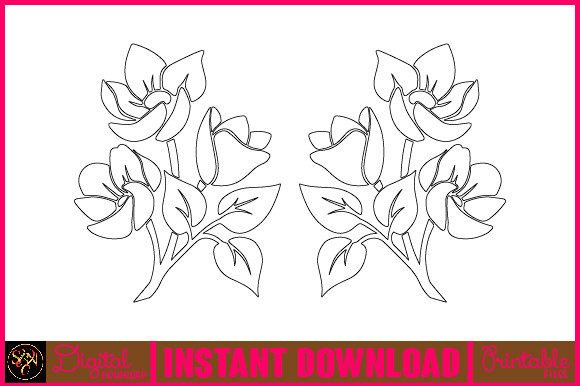
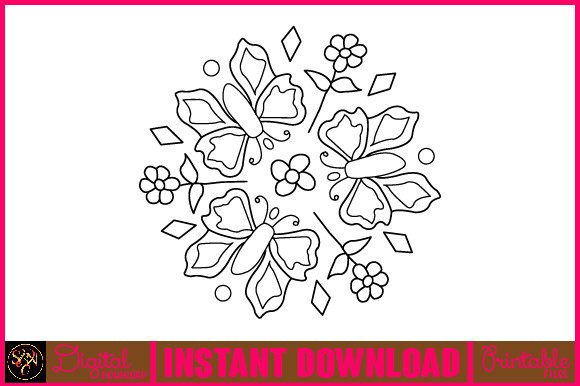
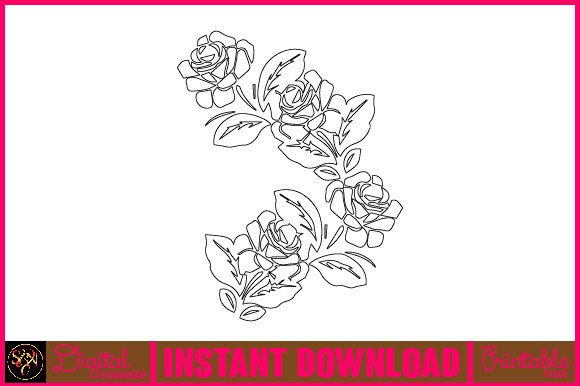
Floral line art refers to illustrations that depict flowers, leaves, branches, and other botanical elements using clean, elegant lines. These designs are often hand-drawn or digitally created to mimic the look of traditional sketching. The focus is on the outlines and subtle details rather than color, making them ideal for both minimalist and ornate aesthetics.
Common elements found in floral line art include:
- Hand drawn flower illustration – Featuring realistic or stylized depictions of blooms.
- Botanical leaf – Detailed representations of different types of foliage.
- Curly grass and flowers – Adds a natural, flowing motion to the artwork.
- Floral wreath – Circular arrangements of flowers and leaves used as frames or decorative borders.
The Purpose and Significance of Floral Line Art
Floral line art serves multiple purposes in design. It’s not just about visual appeal; these elements also carry symbolic meanings. Flowers have long been associated with beauty, growth, love, and celebration. Incorporating them into your designs can evoke positive emotions and add depth to your message.
In practical terms, floral line art enhances layouts by:
- Adding texture and movement without overwhelming the viewer.
- Creating focal points in otherwise flat compositions.
- Offering a cohesive theme for projects like vintage summer plants or garden flowers set collections.
- Serving as design elements, such as frames or dividers, in presentations and printables.
Why Use Line Art?
Line art provides a level of flexibility that makes it suitable for many applications. Because it lacks color, it can be easily adapted to any palette. This is especially useful for businesses or designers who need their artwork to match specific brand guidelines or seasonal themes.
Moreover, line drawings are typically simpler and more scalable than complex illustrations, which is where file formats like SVG come into play.
Understanding File Formats for Floral Line Art
When working with digital assets like floral line art flower SVG elements, it's essential to understand the available file formats. Each format has unique advantages depending on how you plan to use the artwork.
SVG (Scalable Vector Graphics)
SVG files are vector-based, meaning they maintain clarity at any size. This makes them perfect for hand drawn curly grass and flowers when you need high-resolution graphics for print or web. You can edit SVGs in software like Adobe Illustrator or online tools, allowing full customization of colors, strokes, and shapes.
PNG (Portable Network Graphics)
PNG files provide lossless compression, ensuring your botanical element retains all its detail. They’re great for transparent backgrounds and digital use, such as social media posts or website banners. For example, a hand drawn floral wreath in PNG format could serve as a beautiful header image for a blog post about gardening or weddings.
EPS (Encapsulated PostScript)
EPS is another vector format, widely used in professional printing. If you're designing a wedding invitation or a product label, EPS ensures your flower and leaves design collection looks sharp and polished in both digital and printed forms.
JPEG (Joint Photographic Experts Group)
While JPEG is a raster format and loses quality when scaled up, it's still valuable for certain uses. JPEGs compress well for fast loading times on websites and are suitable for background images or simple overlays in digital content.
PDF (Portable Document Format)
PDF files preserve the layout and formatting of your design, making them ideal for sharing botanical leaf illustrations in documents or printable templates. A PDF containing a floral line art collection is often used in educational settings, such as biology textbooks or art classes.
How to Access and Use Your Floral Line Art Files
Once you’ve acquired a floral line art flower SVG set, the next step is to extract and utilize the files. Typically, these resources are provided in a compressed ZIP file. Here’s how you can get started:
Extracting the ZIP File
To open a ZIP file, you can use programs like WinZIP, WinRAR, or even double-click the file if your operating system supports automatic extraction. After extracting, you’ll find multiple files inside, including SVG, PNG, EPS, PDF, and JPEG versions of the same design. This variety ensures compatibility across different platforms and tools.
Choosing the Right File for Your Project
Selecting the correct file format depends on your needs:
- Use SVG for scalable, editable designs in digital projects.
- Opt for PNG when transparency or high-quality resolution is needed.
- Go with EPS for commercial printing or professional graphic design.
- Choose PDF for document sharing or printable templates.
- Use JPEG for quick web uploads or background images.
Applications in Modern Life and Work
Floral line art isn’t just for artists or designers—it plays a significant role in everyday life and work. From personal creativity to professional branding, these versatile illustrations can elevate your projects in countless ways.
Creativity and Artistic Projects
If you enjoy drawing or painting, hand drawn sketch branches and botanical leaf illustrations can inspire new works. They can be traced, colored, or reimagined to fit your style. Many artists use these elements to create greeting cards, calendars, or wall art.
Weddings and Events
One of the most popular uses for floral line art is in wedding invitations. These designs add a romantic and vintage feel, especially when paired with calligraphic fonts. A floral line art with branch can frame names or dates beautifully, while a hand drawn floral wreath becomes the perfect border for a save-the-date card.
Business Branding and Marketing
For businesses in industries like fashion, beauty, or wellness, incorporating vintage summer plants or garden flowers set illustrations into logos, packaging, or promotional materials can help establish a natural, organic identity. These elements are also commonly used in decorative floral picture designs for store displays or social media campaigns.
Education and Learning Materials
Teachers and educators can benefit from floral line art in classroom materials. Botanical sketches can be used to teach plant anatomy, while hand drawn flower illustration sets make learning about botany more engaging. These visuals can be included in worksheets, posters, or interactive e-learning modules.
Technology and Digital Design
With the rise of digital content creation, SVG files are becoming increasingly important. Their scalability and adaptability make them perfect for responsive web design. A set of botanical line art floral leaves can be used as icons, headers, or background patterns in apps, websites, and user interfaces.
Common Misconceptions About Floral Line Art
Despite its popularity, some people misunderstand the value and use of floral line art. Here are a few common misconceptions:
Misconception 1: It’s Only for Decorative Purposes
While floral line art certainly adds aesthetic value, it also has functional roles. As mentioned earlier, it can serve as a structural component in designs—like a hand drawn floral wreath acting as a frame or divider. These elements guide the viewer’s eye and enhance readability in complex layouts.
Misconception 2: It Requires Advanced Skills to Use
This couldn’t be further from the truth. With the availability of pre-made SVG and PNG files, anyone can incorporate floral line art into their projects. No prior knowledge of vector graphics is necessary—just download, extract, and apply!
Misconception 3: It’s Outdated or Too "Cutesy"
Though floral motifs have historical roots, they remain relevant today. When done right, floral line art exudes sophistication and charm. For instance, a floral line art flower SVG elements 61 collection might feature bold, modern interpretations of classic botanical themes that suit contemporary tastes.
Where to Find and How to Use These Resources
Many online marketplaces and design libraries offer downloadable packs of floral line art. These packages usually include multiple file types, such as AI (Adobe Illustrator), SVG, PNG, EPS, PDF, and JPEG, all compressed into one ZIP file. Once downloaded, you can extract them using tools like WinZIP or simply double-click the file to open it.
Here are some tips for using these files effectively:
- Always check the licensing information before using the art commercially.
- Organize your extracted files by project type or format for easy access.
- Experiment with layering and combining different elements to create unique designs.
- Consider resizing and recoloring SVGs to match your brand or event theme.
Examples of Floral Line Art in Action
Let’s take a closer look at how these elements can be applied:
Example 1: Wedding Invitations
A designer creates a wedding invitation using a hand drawn floral wreath as the central motif. The SVG format allows for easy editing of colors to match the couple’s chosen palette. The final design is then exported as a PNG for sending via email or printed as an EPS file for professional printing.
Example 2: Educational Materials
An educator uses a botanical leaf illustration in a science lesson. The PDF version is embedded into a worksheet, while the JPEG is uploaded to a school website for students to view online. The simplicity of line art helps students focus on the subject matter without distraction.
Example 3: Social Media Content
A small business owner incorporates a floral line art with branch as a background pattern for Instagram posts. The PNG format ensures the design loads quickly, and the transparent background lets the text stand out clearly. This subtle addition helps build a consistent brand image over time.
Conclusion
Floral line art offers a unique blend of beauty and functionality. Whether you're working on a hand drawn sketch branches for a personal project or sourcing a flower and leaves design collection for a corporate campaign, these illustrations provide endless creative possibilities. Understanding the different file formats—like SVG, PNG, EPS, and more—ensures you can use them effectively in any context.
As we've seen, floral line art is more than just pretty pictures. It’s a tool that bridges tradition and innovation, helping us express our ideas with grace and clarity. So, the next time you see a decorative floral picture or a vintage summer plants illustration, remember the thought and purpose behind each line.
Download your favorite Floral Line Art Flower SVG Elements 61 pack today, extract the ZIP file, and let your creativity bloom!