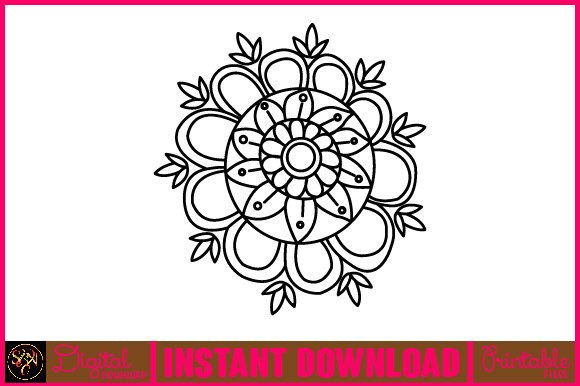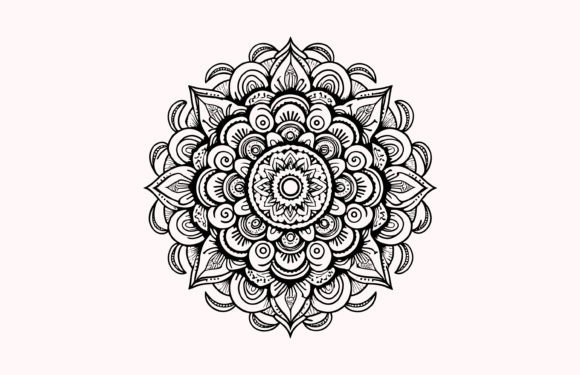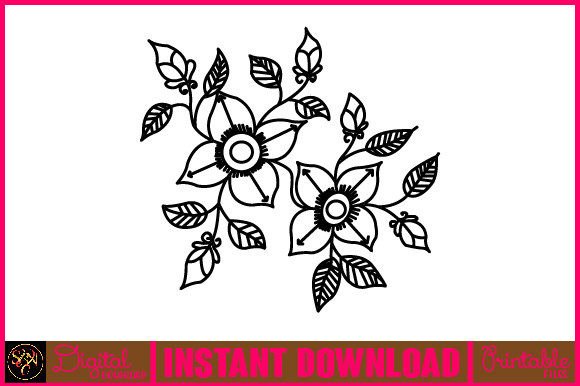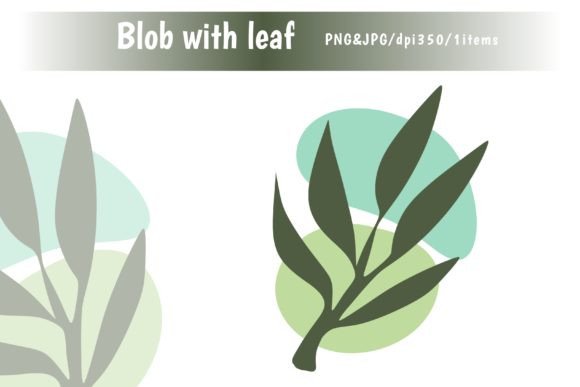
Abstract Wisps and Leaves Elements for Creative Design
When it comes to design, subtle details often make the biggest impact. Abstract wisps and leaves elements are a prime example of how minimalist yet expressive visuals can elevate your creative projects. These aesthetic illustrations offer a unique blend of nature-inspired motifs and abstract artistry, making them ideal for designers, creators, and entrepreneurs who want to infuse their work with elegance and visual interest.
What Are Abstract Wisps and Leaves Elements?
Abstract Wisps and Leaves Elements refer to stylized digital illustrations that combine organic leaf shapes with flowing, ethereal wisps. These designs are not meant to represent real-life foliage but rather capture the essence and movement of natural elements in an artistic manner. The result is a collection of versatile graphics that can be used across various industries — from fashion and interior design to branding and web development.
The Power of Aesthetic Simplicity
In today’s fast-paced digital world, simplicity often speaks louder than complexity. Abstract wisps and leaves elements provide just that — clean, decorative, and easily customizable components that can add depth without overwhelming the viewer. Their abstract nature allows them to fit into a wide range of color palettes and design styles, whether you're working on a modern logo or a vintage-inspired fabric print.
Practical Benefits for Designers and Creators
These elements aren't just visually appealing; they also serve practical purposes. For instance, if you're a graphic designer creating a website layout, using abstract wisps and leaves as background overlays can guide the user's eye and enhance the overall flow of the design. Similarly, marketers might use these elements in social media banners to evoke a sense of calm or creativity, which can help build brand identity.
Improving Presentation and Branding
Consider a small business owner launching a new line of eco-friendly products. By incorporating abstract wisps and leaves elements into packaging and promotional materials, they can subtly communicate sustainability and natural aesthetics. These graphics help create a cohesive look across different platforms, reinforcing brand recognition and trust.
Supporting Creativity in Fabric Motifs
Fabric designers benefit significantly from abstract wisps and leaves elements. Traditional leaf patterns can sometimes feel outdated or too literal, whereas abstract versions allow for more innovation. Whether designing a textile for home décor or apparel, these motifs can introduce texture and rhythm to the pattern while maintaining a timeless appeal. The transparent PNG and high-resolution JPG formats ensure seamless integration into any project without compromising quality.
Who Can Benefit Most from These Elements?
- Graphic Designers: Use them as overlays, accents, or background textures in logos, brochures, or UI/UX projects.
- Textile Artists: Incorporate them into fabric prints for clothing, upholstery, or accessories to add visual intrigue.
- Web Developers: Apply them in subtle ways to enhance user experience through soft, decorative touches on websites or apps.
- Marketing Professionals: Add a touch of sophistication to email templates, social media posts, or advertisements.
- Bloggers and Educators: Utilize them in headers, infographics, or educational materials to break up text and maintain reader engagement.
Real-World Use Cases
Imagine a blogger specializing in wellness content. They could use abstract wisps and leaves elements to create calming header images for articles about meditation or plant-based diets. The imagery would resonate with the theme and help establish a consistent tone across their site.
Or picture a freelance illustrator working on a children's book. These elements could be layered behind scenes to suggest a magical forest setting without detracting from the main characters or storylines. The high DPI (350) ensures that every detail remains crisp and clear, even when printed in large formats.
Why Choose Raster Files Over Vector?
While vector files like SVGs offer scalability, raster formats such as PNG and JPG have their own advantages. Abstract Wisps and Leaves Elements provided in PNG transparent format are perfect for layering in Photoshop or other image editing software. JPG files, especially at 350 DPI, are excellent for print-ready materials where resolution matters most. If your workflow involves frequent resizing or complex blending modes, the raster format can give you more control over the final output.
Time-Saving and Efficient Workflows
One of the standout benefits of using pre-made abstract wisps and leaves elements is the time they save. Instead of sketching and rendering each leaf by hand, you can quickly drag and drop these ready-to-use assets into your design software. This efficiency is particularly valuable for freelancers or small businesses with tight deadlines but high-quality expectations.
Enhancing Communication Through Visual Language
Design is a form of communication. Abstract wisps and leaves elements can help convey themes like growth, harmony, and tranquility. A marketing team promoting a yoga retreat might use these elements in their promotional flyers to subtly reinforce the message of peace and connection with nature. The right imagery can say more than words ever could, especially in a visually saturated market.
How to Integrate Them Into Your Projects
Integration doesn’t require advanced skills. Here are a few tips:
- Use them as background layers with low opacity to avoid distracting from primary content.
- Layer multiple elements to create a sense of depth and movement.
- Adjust colors to match your brand palette or seasonal campaigns.
- Combine them with other abstract or geometric elements for a balanced composition.
Best Practices for Different Industries
For interior designers, abstract wisps and leaves elements can be added to mockups for wall art, cushions, or curtains, offering clients a preview of how the decor will look. Entrepreneurs selling handmade goods may use them on product labels or packaging to differentiate their brand in a crowded marketplace.
If you're a freelancer or publisher, these elements can help streamline your design process. Rather than spending hours sourcing or creating similar artwork, you can focus on delivering value to your clients or readers. The single-item format makes it easy to integrate them into specific sections without cluttering the design space.
Limitations and Considerations
While these elements are highly adaptable, they may not suit all design contexts. For example, if your project requires intricate scaling or repeated tiling, a vector format might be more appropriate. Additionally, since these are raster files, they should be used at their native resolution for optimal results. Always consider the intended medium — screen or print — when choosing the right file type and resolution.
Another consideration is the balance between subtlety and visibility. Because of their delicate nature, abstract wisps and leaves elements work best when placed strategically rather than densely. Overuse can lead to visual noise, which undermines the clarity and professionalism of your work.
Where to Find Quality Resources
High-quality abstract wisps and leaves elements can be found in online design marketplaces or curated illustration libraries. When selecting resources, look for those with transparent backgrounds and high resolution (like 350 DPI) to ensure flexibility and professional-grade output. Many stores specialize in providing such assets, often with licensing options tailored to individual or commercial use.
Always verify the file format and size before purchasing. Some elements may come in multiple variations, allowing you to choose the one that best fits your project. And don’t forget to check the creator’s portfolio — this gives insight into the style and quality of their work.
Recommendations for Getting the Most Out of These Elements
Here are a few suggestions to maximize the utility of abstract wisps and leaves elements:
- Pair them with bold typography for contrast in posters or banners.
- Use them as dividers in presentations or reports to separate sections elegantly.
- Experiment with different blending modes in design software to achieve unique effects.
- Try overlaying them on video thumbnails or blog covers to add a dynamic visual component.
Conclusion
Abstract Wisps and Leaves Elements offer a powerful yet understated way to enhance your design work. From improving presentation to supporting creative expression, these assets bring both beauty and functionality to a wide array of projects. Whether you're crafting a digital brochure, designing fabric prints, or building a brand identity, they provide a thoughtful alternative to generic stock images or overly detailed illustrations.
Thanks for visiting my store. I hope these insights help you see the potential in abstract wisp and leaf designs. Have a nice day, and don’t forget to follow me for future updates and new additions to the collection.