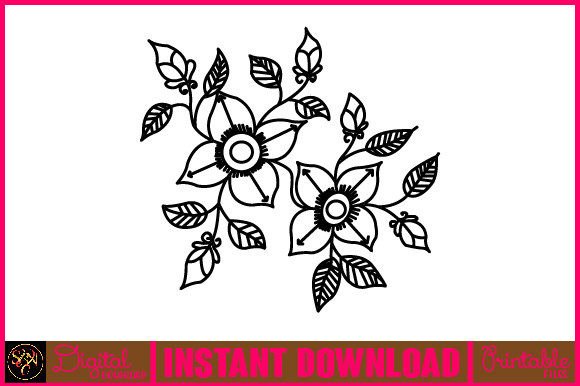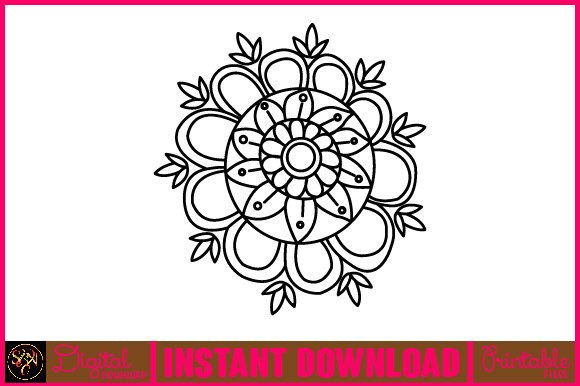
Floral Line Art Flower SVG Elements 94 – Elegant Design for Every Occasion
Key Features of the Collection
- Hand-Drawn Wreath Designs: Perfect for wrapping around text or images to add a decorative frame.
- Botanical Leaf Elements: Realistic yet stylized leaf illustrations that can be mixed and matched with various flower types.
- Curly Grass and Flower Sketches: These add movement and texture to layouts, especially useful in greeting cards and editorial designs.
- Vintage Summer Plants: A nostalgic look at garden flora, ideal for retro-themed projects.
- Multiple File Formats: Includes AI, PNG, EPS, SVG, PDF, and JPEG files for flexibility across platforms.
Practical Applications Across Industries
Wedding Invitations: Add a romantic and vintage flair to your event stationery. A hand-drawn floral wreath can frame names and dates elegantly, while individual flower and leaf elements can be used as accents on envelopes or thank-you notes.
Marketing Materials: From brochures to social media banners, these SVGs can help establish a consistent theme that resonates with target audiences. They’re particularly effective in campaigns focused on nature, sustainability, or artisanal products.
Editorial Design: Use the floral frames and calligraphic elements to highlight quotes, chapter headings, or pull-out sections in magazines, zines, or online publications.
Business Branding: Incorporate these botanical elements into logos, packaging, or website headers to reflect a brand’s connection to nature, craftsmanship, or elegance.
Personal Projects: Whether you’re designing a scrapbook, planning a birthday card, or illustrating a children’s story, these SVGs offer endless creative possibilities.
Tips for Selecting and Using Botanical Elements
- If you're working on wedding invitations, focus on larger, more ornate elements like wreaths and full floral arrangements.
- For educational materials, opt for simpler sketches of plants and leaves that don’t distract from the main content.
- In branding and marketing, use the same elements consistently across different assets to build a recognizable visual identity.
Real-World Use Cases
- A boutique wedding planner used the hand-drawn flower illustrations to create personalized invitation templates that their clients loved for their soft, romantic feel.
- An e-commerce store selling handmade candles incorporated the botanical frames into product packaging, instantly elevating the perceived value of their items.
- A yoga instructor included the leaf and flower elements in her blog header and social media posts, reinforcing the calming and natural vibe of her content.
Considerations When Choosing and Implementing SVG Files
File Compatibility: Make sure your design software supports the file types included (AI, EPS, SVG, etc.). If you're not familiar with vector graphics, take some time to learn basic techniques for manipulating and combining elements.
Color Customization: Since the set is provided in line art form, you may need to apply colors manually. This can be done easily in most design programs, but it’s something to plan for if you want a vibrant final output.
License and Usage Rights: Always verify the licensing terms before using the SVGs in commercial projects. Some collections require attribution, while others may limit redistribution. Knowing these details upfront prevents legal issues later on.
Storage and Organization: Once extracted, organize the files by category (e.g., flowers, leaves, wreaths) so they’re easier to access during your workflow. Naming conventions can also help streamline the process, especially if you're working with a team.
Recommendations for Best Results
- Use the hand-drawn sketch branches sparingly to avoid overwhelming your layout. Let them guide the eye rather than dominate the space.
- Combine different elements creatively—for example, place a floral wreath behind a quote or wrap a branch around a logo to unify the design.
- Experiment with spacing and alignment. Sometimes less is more, especially when aiming for a clean, elegant aesthetic.